One-on-One Meetups with Our Specialists
As part of UConn Extension’s Solid Ground program, funded by the U.S. Department of Agriculture (USDA), we offer a limited number of free, one‑on‑one consultations to beginning farmers in Connecticut. These consultations pair farmers with specialists in specific areas of expertise to provide individualized guidance tailored to their farm business needs.
Consultations are primarily intended for individuals who have been farming for 10 years or less, consistent with the USDA definition of a beginning farmer. However, farmers who have been operating for more than 10 years may still apply, and eligibility will be considered on a case‑by‑case basis depending on program capacity and needs.
Please note that these consultations are designed to support commercial farmers and farm businesses. If you are homesteading, operate a hobby farm, or are seeking gardening assistance for personal use, we encourage you to connect with the UConn Home Garden Education Office, which offers a wide range of resources for home gardeners and the general public.
If you have questions about eligibility or the consultation process, please contact us at solidground@uconn.edu.
One-on-one consultations are customized based on the needs of the specific farm. Upon arrival of your consultant, you should:
- Allocate approximately one hour for the consultation.
- Gather any important documents (farm map, crop and/or animal records, soil test results, business records, etc.).
- Be prepared to answer specific questions about your farm and goals.
- Have several specific questions or issues in mind.
Request a consultation with one of our consultants using the form at the bottom of the page.
Meet Our Consultants
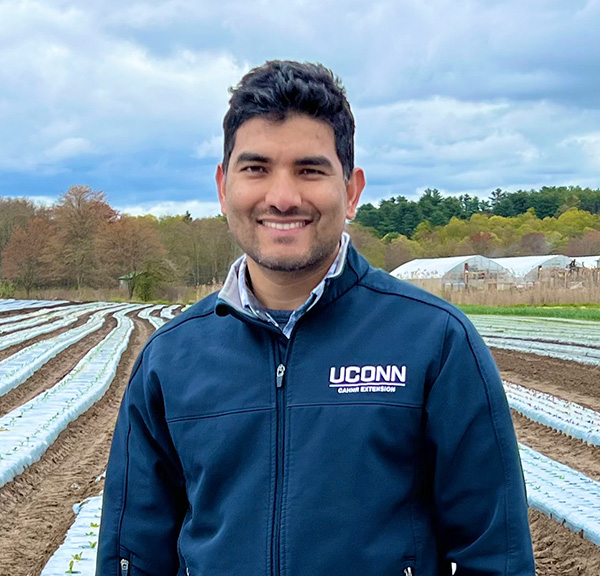
Shuresh Ghimire
Commercial Vegetable and Hemp Specialist, UConn Extension
As a Vegetable Extension Specialist at UConn Extension, Shuresh works with commercial vegetable growers to create and disseminate information regarding vegetable production practices and Integrated Pest Management (IPM). Shuresh utilizes vegetable growers’ field reports with his own scouting reports to create weekly pest alerts from May to September every year for wider audience that include other vegetable producers, urban farmers, community gardeners, and Extension peers. UConn’s vegetable IPM program emphasizes healthy soils, balanced plant nutrition, pest and beneficial identification, scouting and monitoring techniques, preventative management strategies, and resistance management. In collaboration with UConn Extension team and stakeholders, Shuresh has developed an online vegetable production certificate course to benefit beginner vegetable producers. The goal of the certificate course is that the participants would learn answers to the basic questions about farm business planning, planning and preparing for vegetable farm, warm and cool-season vegetable production techniques, season extension, identification of biotic and abiotic issues, and marketing. In addition to working as a vegetable specialist at UConn, when hemp became a regulated agricultural crop in CT, he started working with hemp growers to create and disseminate information regarding hemp production practices and IPM.
Shuresh obtained his bachelor’s and master’s degree in agricultural science from Tribhuvan University in Nepal. Shuresh completed his Ph.D. in Horticulture (2015-2018) from Washington State University where he studied biodegradable plastic mulches for vegetable production. Prior to working in Washington, Shuresh was a Horticultural Development Officer for the Department of Agriculture in Nepal (2010-2015), where he worked extensively with farmers conducting trainings and plant clinics and created extension publications and technical reports. Shuresh also served as an Adjunct Assistant Professor of Horticulture at the Himalayan College of Agricultural Sciences and Technology in Nepal.
A consultation with Shuresh includes:
- Address any vegetable pest (e.g., insect, diseases, and weeds) related question which could be identification, scouting or monitoring techniques, and offer suggestions for integrated pest management (IPM).
- Collect plant samples for additional diagnosis in the lab if needed.
- Address any questions about your vegetable production practices and follow-up via email with additional information if needed.
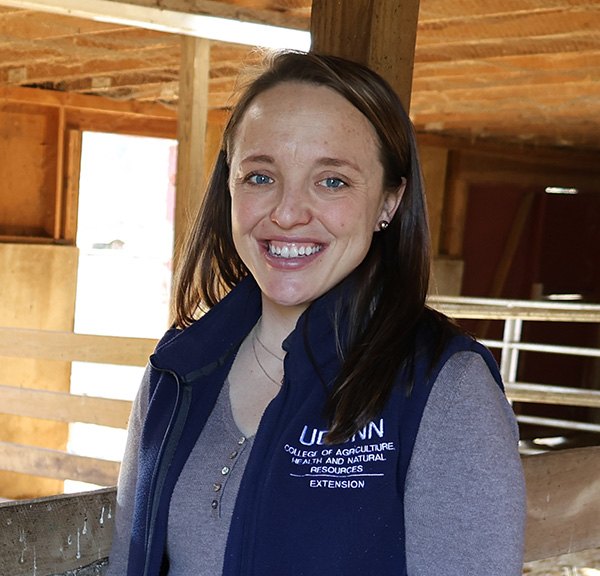
MacKenzie White
Diversified Livestock Extension Specialist
MacKenzie White is the Diversified Livestock Extension Field Based Specialist with UConn Extension. MacKenzie earned her Associates of Applied Animal Science from UConn Ratcliffe Hicks School of Agriculture, a Bachelor of Science in Agriculture and Natural Resources from UConn College of Agriculture, Health and Natural Resources, and a Masters of Agriculture in Agricultural Science with an integrated resources management specialization from Colorado State University.
MacKenzie is no stranger to working for UConn Extension or when it comes to being out in the barn working with livestock. Growing up on a small farm in southern Maine is where the passion and interest for livestock and production agriculture started. MacKenzie’s new role with UConn Extension involves planning, implementing, and evaluating impactful extension programs primarily related to commercial livestock production. Livestock species include but are not limited to beef, sheep, swine and goats. Prior to working at UConn Extension, she was an Agriculture Marketing & Inspection Representative with the CT Department of Agriculture and before that she supported multiple successful UConn Extension programs as an Educational Program Assistant. Outside of work, she owns and operates a small farm in Eastern Connecticut with her family. MacKenzie is most excited to meet and work with Connecticut producers from all different backgrounds and operations.
A consultation with MacKenzie includes:
- Discuss/evaluate your farm, livestock, and goals from a systems perspective.
- Address specific questions that you have.
- Follow up via email with additional information if needed.
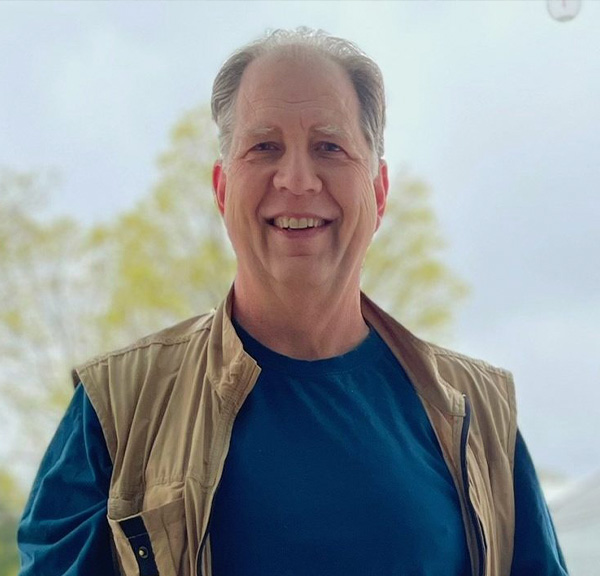
Kip Kolesinskas
Solid Ground Professional Soil, Conservation, and Land Use Consultant
Kip’s major clients include UConn Extension, American Farmland Trust (AFT), the Connecticut Department of Agriculture, Connecticut Farmland Trust, and the North Central Conservation District. Much of the focus of his recent work has involved efforts to improve land access and affordability, and provide technical services to new and beginning farmers. He serves on the UConn Extension Solid Ground Farmer Training cadre, where Kip provides training, one-on-one consultations, and site assessments on land access, soil health, and climate change. In addition, he worked on AFT’s recent National initiatives Farms Under Threat, Farmland For The Next Generation, and Climate Change initiatives. Kip also assists the CT Department of Agriculture with the Farmland Restoration Program to sustainably bring additional lands back into production, and the CT Farmlink Program, a farm access posting-matching service. Formerly USDA Natural Resources Conservation Service State Soil Scientist for Connecticut and Rhode Island, where he worked extensively with farmers, educators, government and nonprofits to help them protect farmland and wetlands, and use soils information to make better-informed land-use decisions. He is a recognized regional and national speaker on soils and land use planning, farmland protection, climate change adaptation, and farmland access. Kip is the Co-Chair of the Working Lands Alliance and a member of the Connecticut Council on Environmental Quality. In addition to this wealth of professional experience, Kolesinskas is an avid fisherman, cook, gardener and local foods advocate.
Upon receiving an A.A.S. in Plant Science from SUNY Cobleskill, Kolesinskas received a B.S. in Soil Science from Cornell University and completed additional coursework at Texas A&M and Lancaster University and Schumacher College in the United Kingdom.
A consultation with Kip includes:
- The assessment of current or potential properties on the suitability for different kinds of agriculture, crops, animals, or infrastructure.
- Assessment of soil suitability for different uses.
- Assessment of soil health and other soil or natural resources conditions (such as erosion, ponding/flooding, compaction, water sources), offer possible solutions and funding sources.
- Assist in the evaluation of the risks from climate change, and help develop a plan for resiliency, offer mitigation, and adaptation strategies and practices to consider.
- Provide advice on conservation easements, a plan on finding land, assistance in applying for grants and proposals, finding assistance, addressing municipal issues.
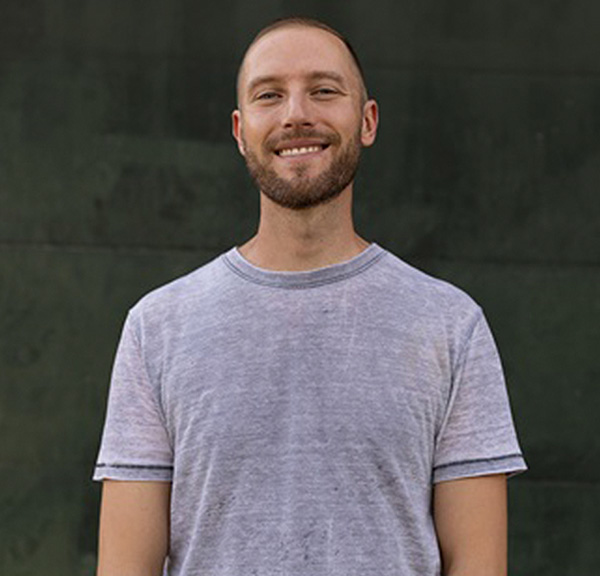
Dave Tschiegg
Certified Organic Marketing TA
A farmer and experienced designer, Dave brings over 15 years of branding and marketing experience, with past clients including the Metropolitan Opera, MIT, and certified organic producers whose products are sold in Whole Foods, Amazon’s online marketplace, and national grocery chains. He co-owns CT Garlic Company, which grows culinary and seed garlic using organic practices.
Having grown up in Connecticut, Dave is deeply passionate about supporting the state’s organic producers. He looks forward to meeting farmers where they are to help grow their businesses through creative, strategic marketing. To learn more about the state’s initiative to support the marketing of organic growers, visit their website to download the logo and learn more.
Shannon Raider-Ginsburg
Special Projects Coordinator/Farmer Liaison, Put Local on Your Tray – UConn Extension
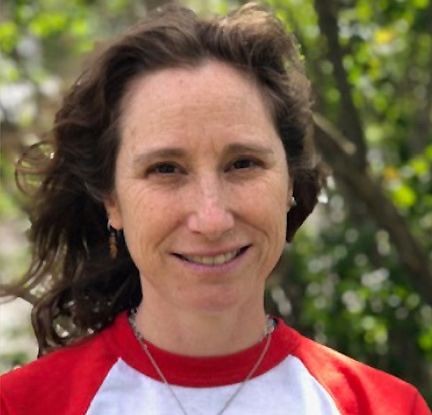
Shannon Raider-Ginsburg (s/hxr) works with the UConn Extension’s Put Local on Your Tray as the special project coordinator and Farm Laision supporting direct connection between growers and school buyers. Demystifying the process (hint: it’s not as complicated as it seems) Shannon has supported farmers in understanding farm to school purchasing from food safety, marketing and communication, logistics, invoicing and more.
Shannon has extensive experience aligning local agriculture, food justice, and education. As a farmer, Shannon has worked all manner of farms from larger certified organic CSA operations to 450-acre Christmas tree farms, to community gardens and urban agriculture. She has developed farmers markets, mobile markets, run her own small farm business and managed agricultural education programs. Shannon has worked with Extension on developing and implementing Farm to School procurement resources since 2017. Meeting the growing school market is a great way to scale up your farm business. Please reach out to learn more!
A consultation with Shannon includes:
- Insights on schools near you that are looking to purchase locally.
- How to work with schools to do more micro-purchasing orders.
- What you need to do to get ready to sell to schools.
- Other Farm To School insights based on your specific asks.
Diane Dorfer
Farm Viability Service Coordinator
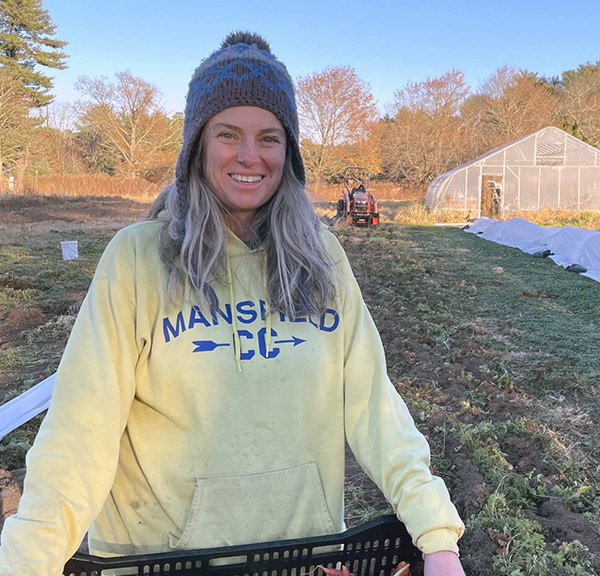
In addition to her work at UConn, Diane is a small-scale vegetable farmer. Her experience building her own farm business, plus a strong network in our agricultural community, serves as an asset in connecting other farmers with CAHNR resources. Her consultations are best used by farmers that are looking to connect with resources to make their farmers strong and more viable. Whether they are looking to find grants, or to understand the different requirements for your farm business, Diane can help! View the Farm Viability Website and contact Diane at diane.dorfer@uconn.edu
A consultation with Diane will include:
- A comprehensive overview of the resources available and connection to applicable professionals
- Guidance on navigating the systems within Connecticut agriculture
- Address any questions and follow-up via email with additional information if needed.
Evan Lentz
Fruit Production and Integrated Pest Management, UConn Extension
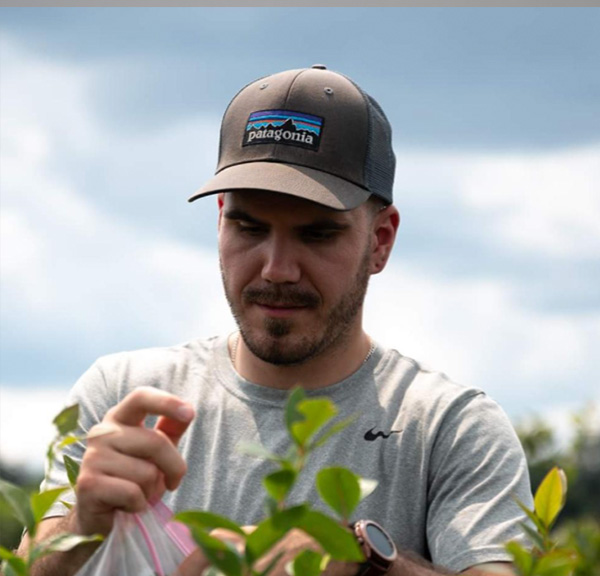
Evan Lentz is the Assistant Extension Educator in Fruit Production and Integrated Pest Management (IPM). His expertise includes small, tree, and niche fruit crop production systems. He works with both organic and conventional growers. He is well versed in various pest management strategies and emphasizes grower use of IPM.
Please note, this consultation is for farmers that are doing commercial fruit production. There is no minimum amount that you must grow, but you do need to be selling your product to the public. Please reach out if you are unsure it applies to you.
A consultation with Evan includes:
- Address any fruit pest (e.g., insect, diseases, and weeds) related question which could be identification, scouting or monitoring techniques, and offer suggestions for integrated pest management (IPM).
- Collect plant samples for additional diagnosis in the lab if needed.
- Address any questions about your fruit production practices and follow-up via email with additional information if needed.
Amelia Magistrali
Soil Health Specialist, UConn Extension
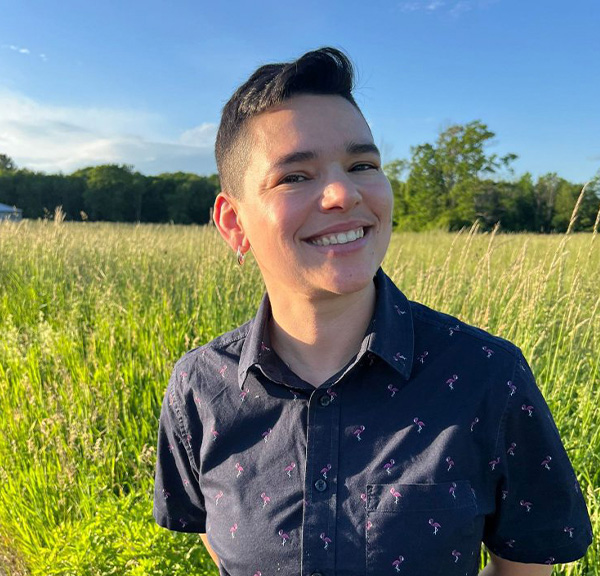
Amelia Magistrali, Associate Extension Educator in soil health, earned a bachelor of arts in environmental studies from Middlebury College, a master of science in organic farming and food production systems from Newcastle University in the United Kingdom, and a PhD from Newcastle University as well, with a focus on evaluating alternative fertilizers and their impact on yield and quality of spelt and rye under different management systems.
Her experience is in regenerative and agroecological farming and diversified food production systems that support healthy soils and their corresponding ecosystem services. Her interest and experience in this area were developed over ten years in Northeast England where she worked with English and European farmer networks to develop and adopt sustainable farming practices.
A consultation with Amelia includes:
- The assessment of current or potential properties on the suitability for different kinds of agriculture, crops, animals, or infrastructure.
- Assessment of soil suitability for different uses.
- Assessment of soil health and other soil or natural resources conditions (such as erosion, ponding/flooding, compaction, water sources, offer possible solutions and funding sources.
- Assist in the evaluation of the risks from climate change, and help develop a plan for resiliency, offer mitigation and adaptation strategies and practices to consider.
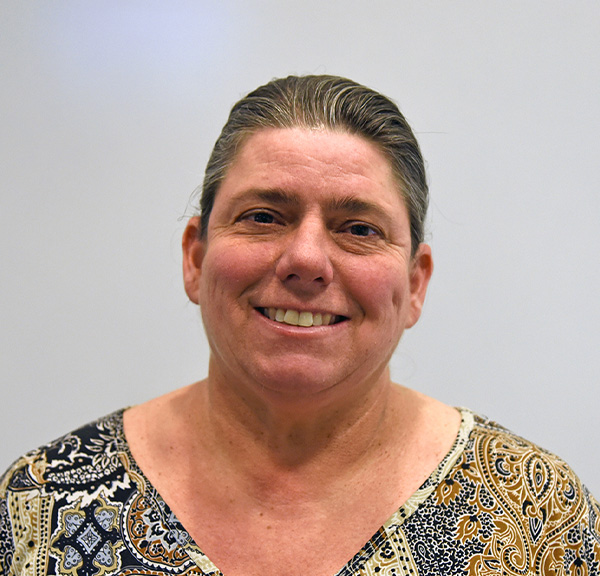
Jacqueline Kowalski
Urban Agriculture Educator, UConn Extension
Jacqueline Kowalski is UConn Extension’s Urban Agriculture Extension Educator. She was previously with Ohio State University Extension in Cleveland and Akron where she primarily focused on working with small acreage and urban farms, community gardens, and volunteer management. She focuses on specialty crop production and integrated pest management.
What excites her most about working with urban farmers in Connecticut is the enthusiasm they have for learning and growing fresh produce for their communities. She received her formal education from Michigan State University (BS-horticulture with a specialization in vegetable crops) and the University of the Virgin Islands (MA-education). In previous roles, she served as the Director of Horticulture and Agronomy for the US Virgin Islands (2007-2011) and Research Analyst for the University of the Virgin Islands (1993-2007) first for the Vegetable Crops program and later for the Biotechnology and Agroforestry program.
A consultation with Jacqueline will include:
- Address any fruit pest (e.g., insect, diseases, and weeds) related question which could be identification, scouting or monitoring techniques, and offer suggestions for integrated pest management (IPM).
- Collect plant samples for additional diagnosis in the lab if needed.
- Discuss future plans and production implications.
- Address any questions about your production practices and follow-up via email with additional information if needed.
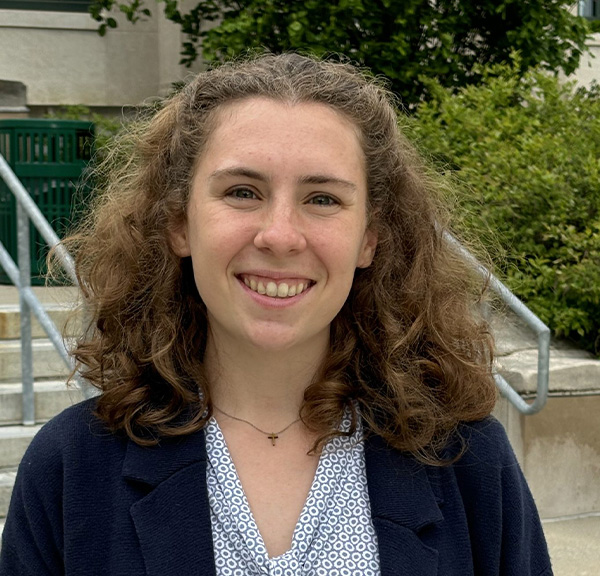
Sara Tomis
Assistant Extension Educator, One Health – Agriculture and Community Engagement
Sara Tomis serves as the Assistant Extension Educator for One Health* – Agriculture and Community Engagement for UConn Extension. Her programming is focused on One Health, a framework for optimizing the collective wellbeing of humans, animals, plants, and the environment. She works with Connecticut producers and hobbyists to enhance biosecurity and health in agricultural contexts. Sara earned a bachelor of science in agricultural education and outreach from UConn CAHNR and a master of science in agricultural education and communication with a specialization in Extension from the University of Florida.
Sara offers consultation services in two areas: Farm Biosecurity and One Health. You will be able to request which topic you would like to have Sara talk with you about.
*What is One Health? | Extension News and Publications
A consultation with Sara will include:
- Discuss/evaluate your farm and goals from a systems perspective.
- Address specific questions that you have.
- Follow up via email with additional information if needed.
Connecticut Small Business Development Center
The Connecticut Small Business Development Center is affiliated with UConn’s School of Business and has a team of 19 Business Advisors with expertise covering a variety of topics including small business lending, entrepreneurship, technology innovation, exporting, market strategy, and more. A consultation includes: Business Planning, Product Development for value-added goods, Marketing and Sales, Raising Capital, Grant Assistance namely with applying to DoAg grants, Financial Analysis, Cash Flow Management, and more! To sign up fill out the form here. For more info contact: ctsbdc@uconn.edu | 877-723-2828
Solid Ground Consultations
After filling out this form, the consultant you select will reach out to schedule a farm visit or phone consultation.
What Farmers are Saying
The consult was incredibly helpful, and your advice has really helped us focus and lower the stress of planning for next year. – One-on-one consultations participant
I appreciated that flexibility, being able to walk our fields with Joe who is full of both theoretical and practical knowledge, have him be able to notice things, comment on what he saw, that turned out to be really helpful for us. We changed our grazing plan for the rest of the season and it will impact the way we will graze this upcoming season as well. – One-on-one consultations participant