Gaining access to land is one of the most significant hurdles new and beginning farmers face when starting a farm business in Connecticut. High land values, competition from development and non‑farm investors, and the need to be close to appropriate markets and infrastructure can make it difficult for farmers to find land that fits both their operations and long‑term goals.
Despite these challenges, there are tools, programs, and organizations that can help make the land search more manageable. With the right information and planning, farmers can better understand their options and avoid common pitfalls as they work toward securing land that supports their business, finances, and quality of life.
This page brings together resources to help farmers navigate key aspects of land access, including the farm search process, where to look for available land, how to assess property suitability, and considerations for financing and tenure. These materials are intended to support informed decision‑making as you explore pathways to establishing your farm on the right piece of land.
Starting with the Basics
There are many steps to acquiring farmland and understanding the process that perspective farmers have to go through.
Start with Your Farm Vision
Before searching for land, clarify what you need to be successful. Having a clear vision will help you evaluate opportunities and communicate effectively with landowners, lenders, and partners. Consider:
- Type of production (vegetables, livestock, nursery crops, etc.)
- Acreage required
- Soil quality and water access
- Infrastructure needs (barns, greenhouses, fencing)
- Location and proximity to markets
- Zoning and permitted uses
Ways to Access Farmland
There is no single path to securing farmland. Many farmers use one or a combination of the approaches below:
Leasing Land
Leasing can be a flexible and affordable way to get started or expand.
- Short-term and long-term lease options
- Lower upfront costs compared to purchasing
- Opportunity to test a site before committing
Consider: lease terms, improvements, access to water and infrastructure, and renewal options.
Purchasing Land
Buying farmland offers long-term stability and control but requires significant planning and financing.
- Build equity over time
- Ability to make long-term investments
- Greater independence in decision-making
Consider: financing options, conservation easements, and property taxes.
Land Link and Matching Programs
Programs connect landowners with farmers seeking access to land.
- Opportunities for leasing, partnerships, or transitions
- Support with matchmaking and agreements
- Growing availability across the Northeast
Shared-Use and Incubator Farms
These models provide access to land, equipment, and mentorship.
- Lower barriers to entry
- Built-in training and support systems
- Opportunities to scale gradually
Working with Landowners
Building strong relationships is key to securing and maintaining farmland access. A well-structured agreement benefits both the farmer and the landowner.
Best practices:
- Communicate clearly about your goals and expectations
- Put agreements in writing
- Respect the land and property
- Maintain regular check-ins
Evaluating a Property
When considering farmland, look beyond acreage. Taking time to assess these factors can prevent costly surprises later:
- Soil health and drainage
- Access to irrigation or water sources
- Existing infrastructure and condition
- Road access and visibility
- Environmental constraints (wetlands, slopes)
- Local zoning and regulations
Financial Considerations
Understanding your financial position is essential when pursuing land access.
- Budget for land costs, improvements, and operating expenses
- Explore grants, loans, and cost-share programs
- Consider working with agricultural lenders
- Factor in long-term sustainability of your business
Where to Go for Help
Solid Ground is part of UConn Extension’s Sustainable Food Systems efforts, providing education and support to strengthen agriculture across Connecticut. Through trainings, resources, and partnerships, we help farmers identify opportunities, build skills, and access the land they need to succeed—strengthening local farms, communities, and the municipalities we serve.
Throughout New England and Connecticut there are a couple of organizations and people that can help you through the farmland finding process. Many of the services they provide are free of charge. From helping you understand town policies, to assessing soil compatibility, to helping locate areas that are available. Reach out to these service providers for the needs you have when pursuing your farmland.
Solid Ground

Kip Kolesinkas, serves as the Land Conservation Specialist for the UConn Extension Solid Ground Program, providing assistance to the new and beginning farmer community. Kip is the lead for the Farmland ConneCTions component of the Program which provides land access training, outreach, linking, matchmaking, and site assessment services. Since 2012 Kip Kolesinskas has also provided conservation based consulting services to agencies, non profits, farmers and landowners throughout New England. Much of the focus of this work has been on efforts to improve land access and affordability and to provide technical services to new and beginning farmers. Prior to consulting, Kip worked for USDA NRCS for 34+ years, including as State Soil Scientist for CT and RI where he gained knowledge about federal and state programs available to farmers.
Contact: Kip Kolesinkas or call (860) 878-0393
Land for Good
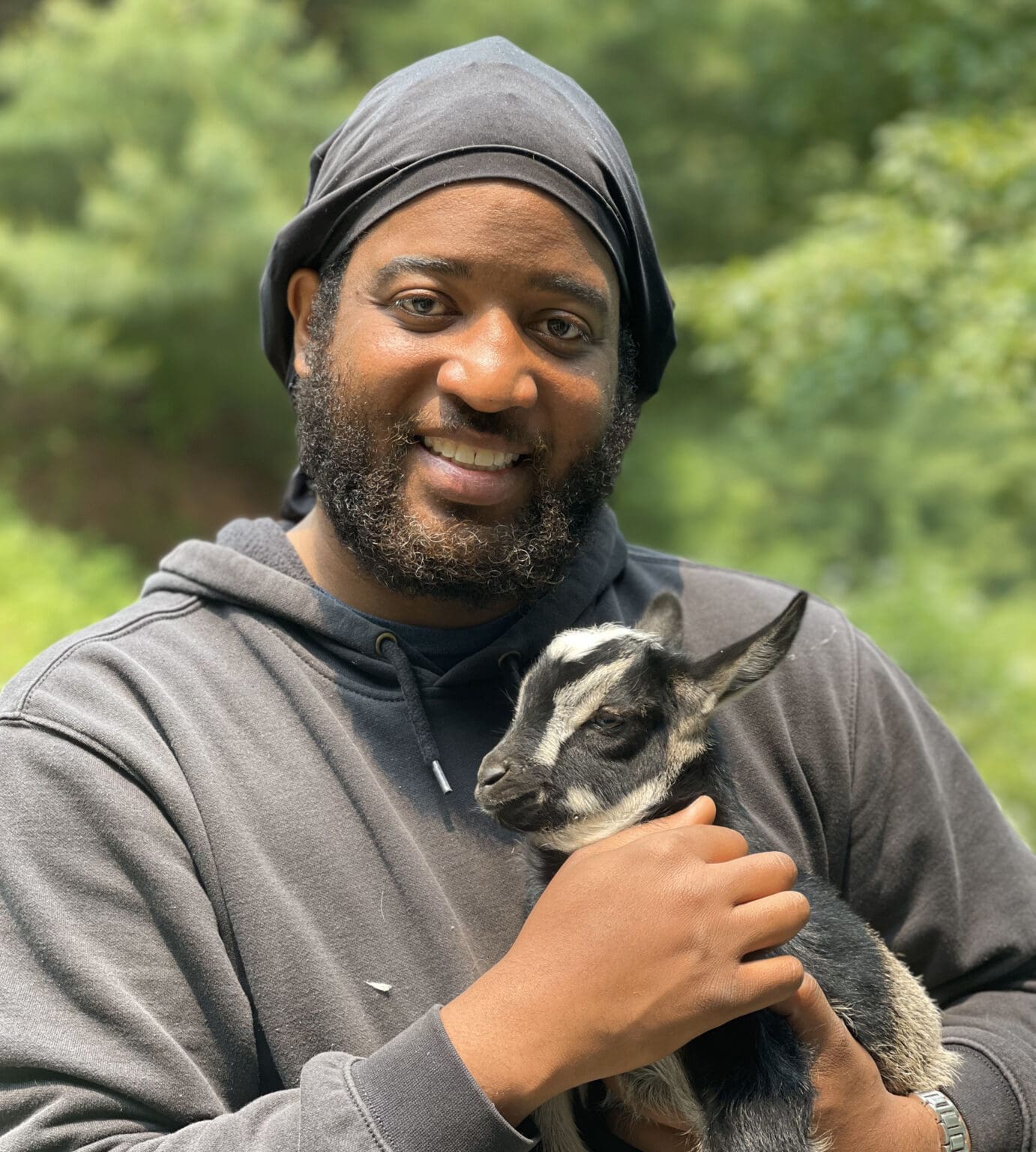
Freedom Gerardo, Connecticut Field Agent, is a Bronx-native community organizer turned farmer, co-owning the Liberated Land Cooperative, which runs Connecticut’s first statewide CSA. As Co-Director of the Venture Farming Institute and co-founder of his farm, SEAmarron Farmstead, he works to reimagine equitable food systems for farmers in the state of Connecticut and nationwide. Serving as a board member of The Northeast Organic Farming Association of Connecticut (CTNOFA), New CT Farmers Alliance (NCTFA), and North West Conservation District (NWCD), Freedom focuses on land access and food justice, empowering communities of color through farming and community organizing to build long-term food sovereignty. He is honored to support Connecticut’s agricultural community and advance Land For Good’s mission of securing land access for farmers across the state.
Contact: Freedom Gerardo
CT Farmland Trust
- Accepts donations of agricultural conservation easements and farmland,
- Purchases agricultural conservation easements and farmland,
- Partners with towns and land trusts to identify threatened farms and opportunities for land protection and to help address farmland stewardship and management concerns, and
- Partners with communities throughout the state to encourage local farmland preservation efforts through outreach and support to farmers, local land trusts, local officials, town planners, conservation commissions, and community organizations.
Contact: farmlink@ctfarmland.org
Resources and Support
Access to land is one of the most significant challenges facing new and beginning farmers. From finding available farmland, to securing access to capital, to understanding land leasing options and agreements, navigating land access can feel complex and overwhelming. The resources below are designed to help farmers better understand their options, ask informed questions, and make decisions that support both short-term needs and long-term farm viability.
Use these links to explore programs and guidance related to finding land, evaluating lease agreements, and planning for land tenure, and to help you take the next steps toward getting established on the land.
UConn Extension and partners offer a range of tools to help you find and secure farmland:
- Workshops and training through the Solid Ground program
- Guidance on leases and farmland agreements
- Connections to regional farmland access programs
- One-on-one technical assistance
Land for Good has put together some excellent resources to help the Beginning Farmer understand the process of accessing Farmland.
Leasing Toolkits
A Landowner’s Guide to Leasing Land for Farming
Videos
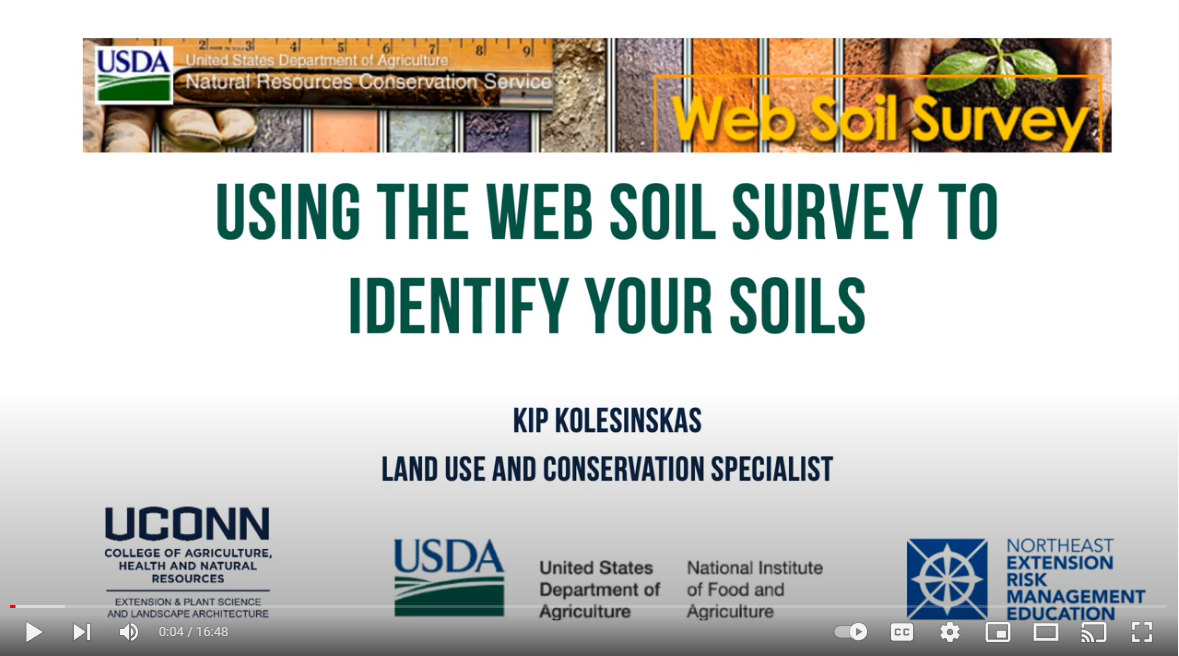
Using the web soil survey to identify your soils
A short presentation from Kip Kolesinskas on how to utilize the online tool the Web Soil Survey to identify your soils. This video walks you through the whole process from start to finish in identifying soils on your land, or on land that you are considering using as farmland.
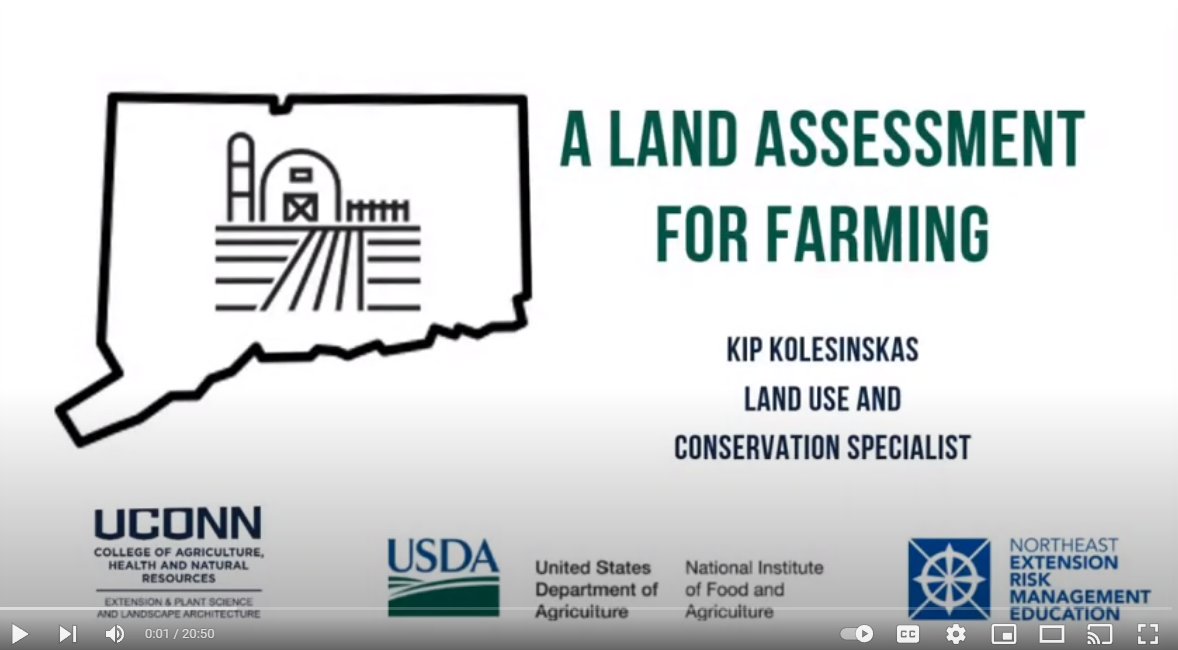
A land assessment for farming
A presentation that provides a consistent way to go out and evaluate a piece of property for it’s potential for agriculture using methods that Kip Kolesinskas has used for over 40 years in his experience as a soil scientist.
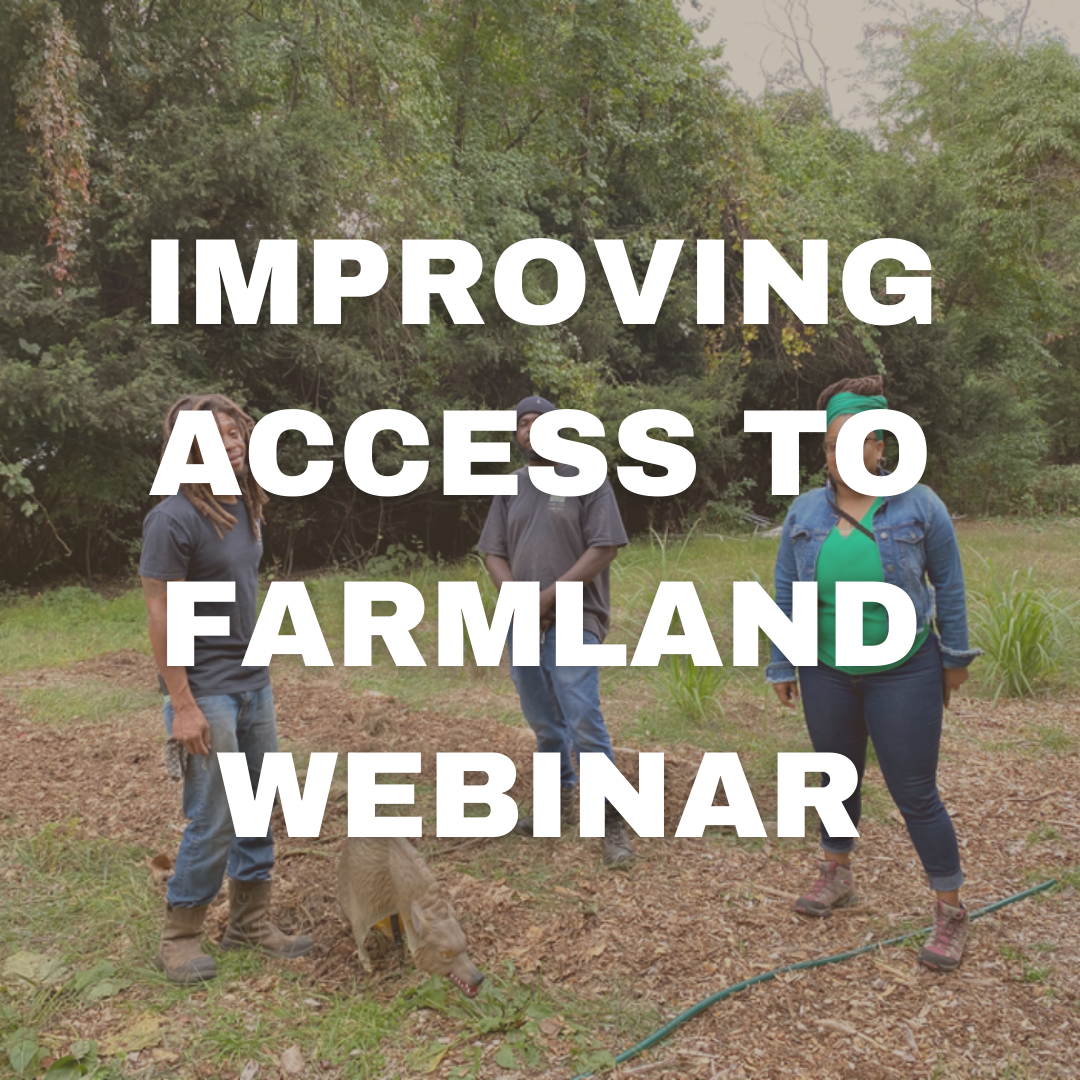
Improving access to farmland
A presentation on improving access to CT farmland for new and prospective farmers. Presented by the UConn Extension’s Scaling Up Program. This webinar is for farmland owners/farm seekers, featuring Kip Kolesinskas, Land Conservation Specialist and Rachel Murray a former Land for Good Connecticut Field Agent.
Case Studies
“Land trusts are at the forefront of reshaping the agricultural landscape in Connecticut. They can be a leader supporting and promoting new and beginning farmers by providing access to farmland.” Read more on Wintonbury Land Trust and Hawk Hill Preserve.
“Connecticut’s conservation community is at the forefront of reshaping the agricultural landscape throughout the region and increasing farmers’ access to prime farmland. Land trusts serve as both leaders and potential game changers in how effectively and successfully farmers will be able to increase food production to meet the ever-growing demand for local food.” Read more on The Nature Conservancy and Sunny Valley Preserve.